121 Days Later
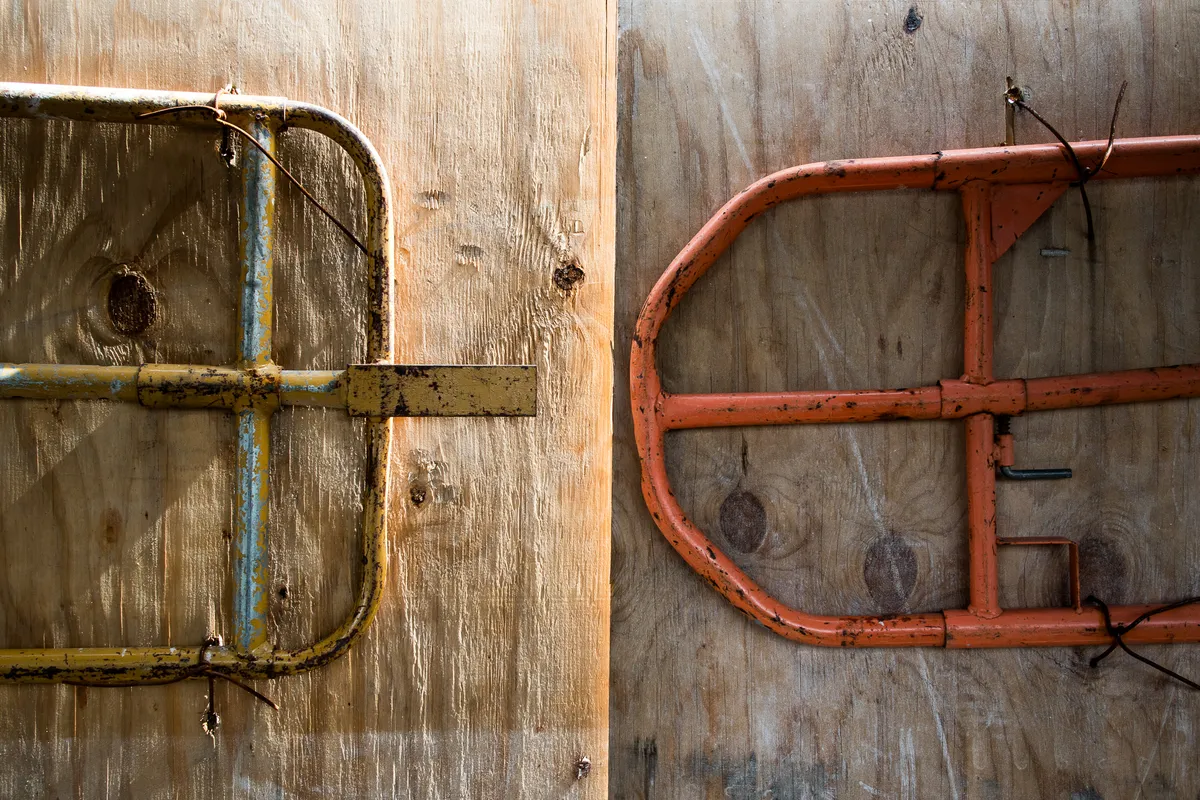 Construction Barrier, Celina TX.
It's been 121 days since I quit chess [Now I Can Quit Chess, June 27]. Here's what I've learned.
I thought my problem was my rating. It wasn't. My problem was that chess made me feel worse more often than it made me feel better. That's the definition of a bad relationship.
The pursuits I've stuck with are social, creative, and forgiving. Chess, at least at my level, is none of those. Talking is forbidden. It rewards pattern recognition and memorization. And there's no forgiveness in its design: one blunder can erase two hours of good play. Someone might say that's good preparation for life, but I was a grown-ass man already dealing with life. I wanted a pastime that was fun. Feeling bad, sitting still, staying quiet, and memorizing patterns were not fun.
Online, cheating is rampant enough that I checked every loss to make sure I hadn't just been beaten by Stockfish, the strongest chess engine. That paranoia was exhausting.
Over-the-board play wasn't much better. At my first US Chess tournament, I was paired with elementary school kids. There was one other old guy, probably there with a daughter or granddaughter, but I couldn't be sure, because we couldn't talk. The culture at every level, up to FIDE's fixation on the next youngest grandmaster, is built around kids. Adults are an afterthought. There's not much room in it for a 60-year-old who just wants to enjoy a game.
I still get the itch sometimes, usually when I'm bored. That's the tell. Chess was never something I wanted to do; it was something to do. Now when the itch hits, I pick up a camera, sit down at the piano, or prep for D&D night. Each of those leaves me feeling better than when I started.
Do I miss chess? Not exactly. I miss the idea of being good at it, and that's not the same thing.